preserving earth’s frozen archive
Lakewood, CO
39°44'N, 104°52'W

Services provided
Cold-Chain Preservation
Collection Stewardship
Risk Management
Project Management
Critical Asset Relocation
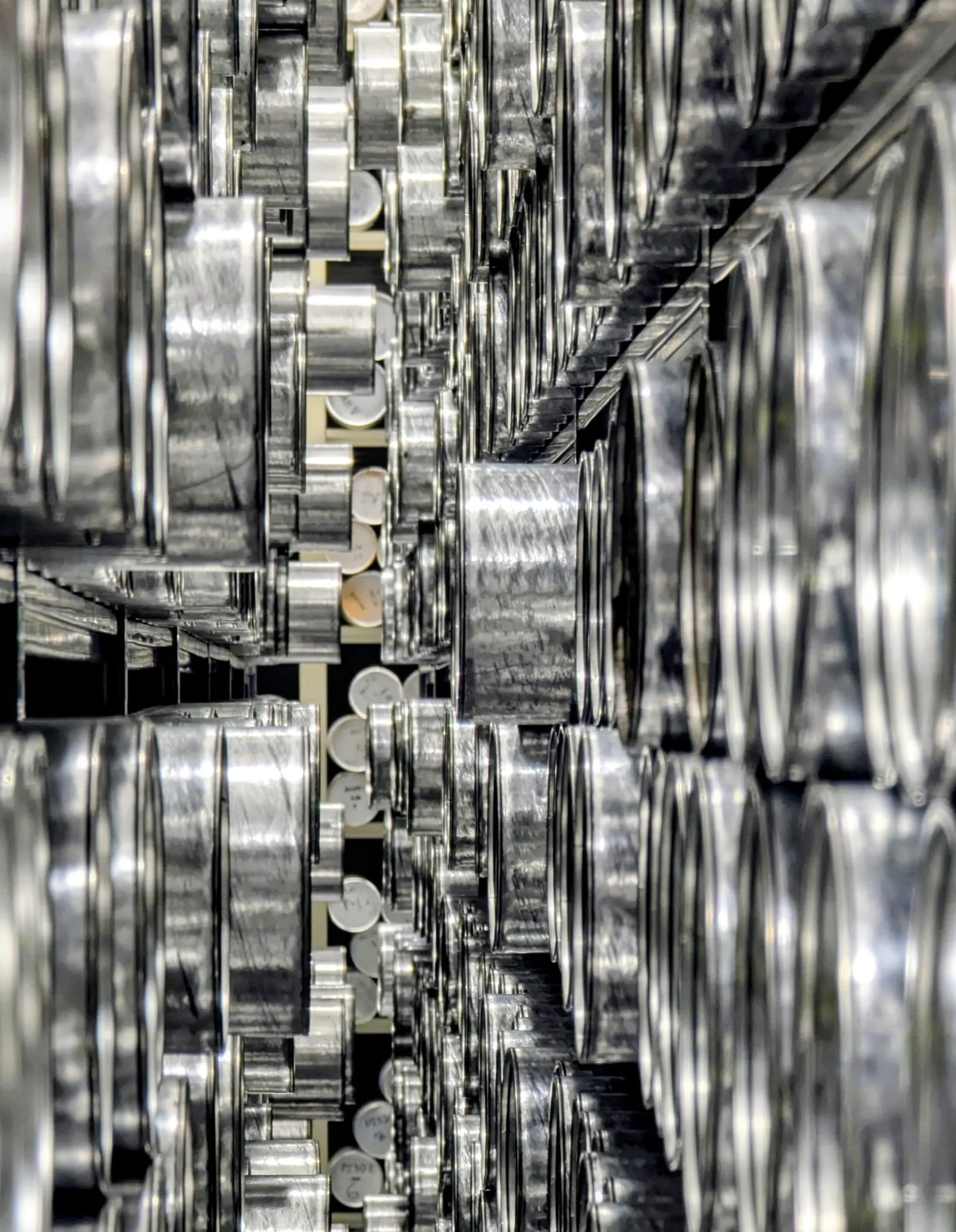
An ice core looks deceptively simple. To most people, it's just a frozen cylinder of ice stored in a freezer. To climate scientists, it's something entirely different: a time capsule containing atmospheric records that may be tens of thousands of years old.
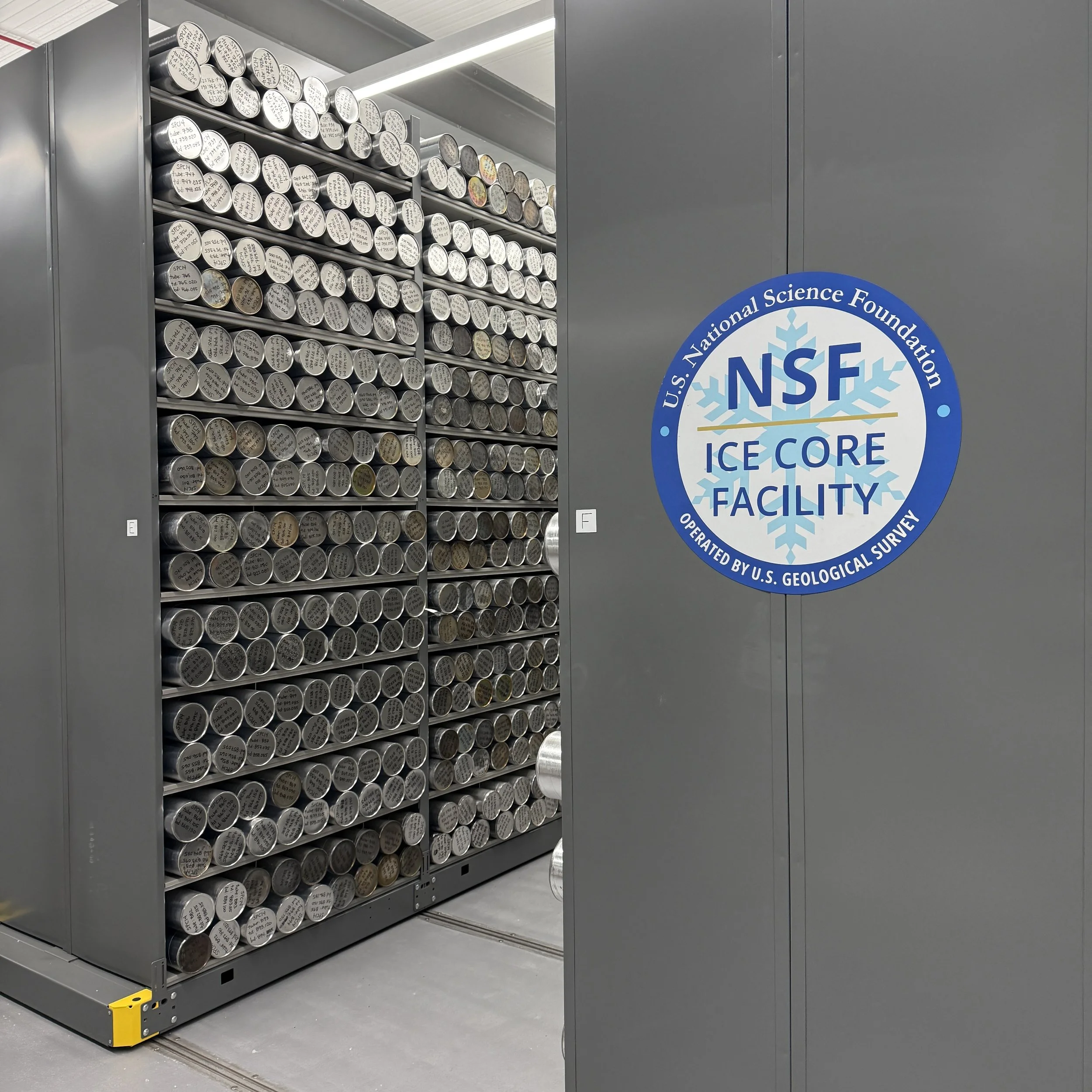
So, when the National Science Foundation Ice Core Facility (NSF-ICF) needed to relocate its entire collection to a new freezer facility at the Denver Federal Center, there was very little room for error.
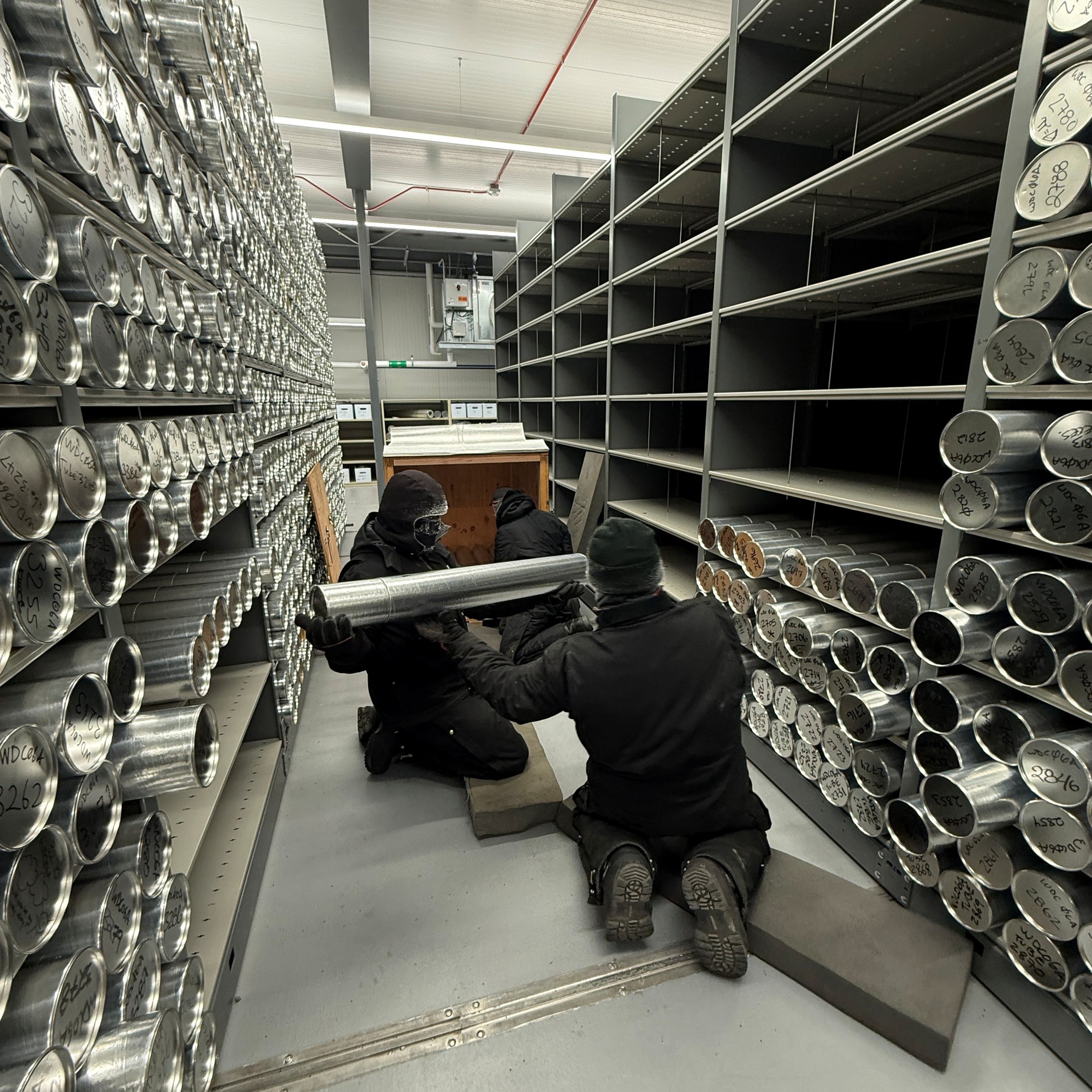
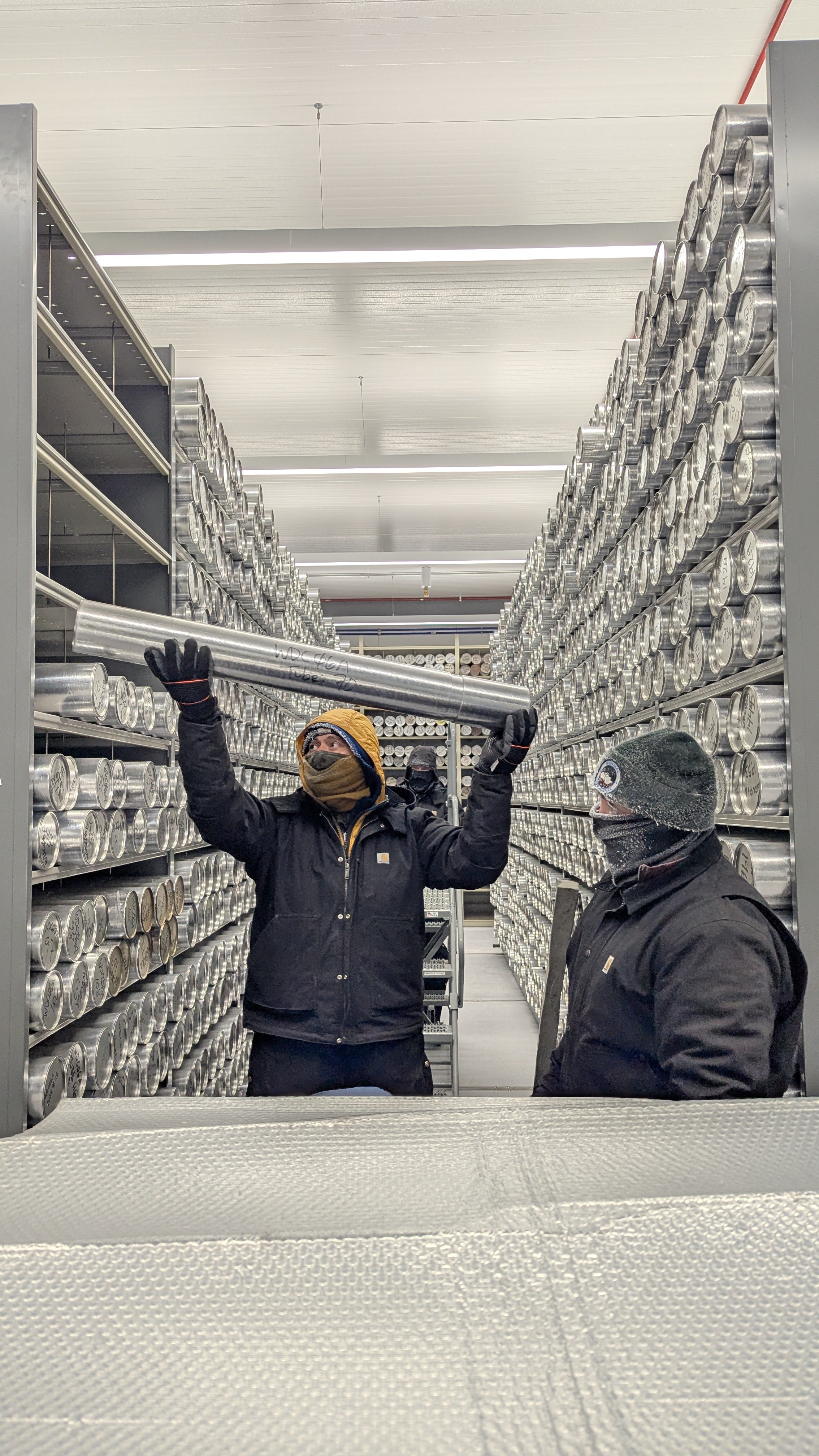
More than 20,000 ice core tubes had to be moved. Temperatures needed to remain between about -36°C and -24°C. And unlike most moving projects, a dropped box, damaged sample, or temperature excursion could potentially compromise decades of scientific research.
“The challenge wasn’t moving the ice cores. It was making sure the ice cores never knew they moved.”
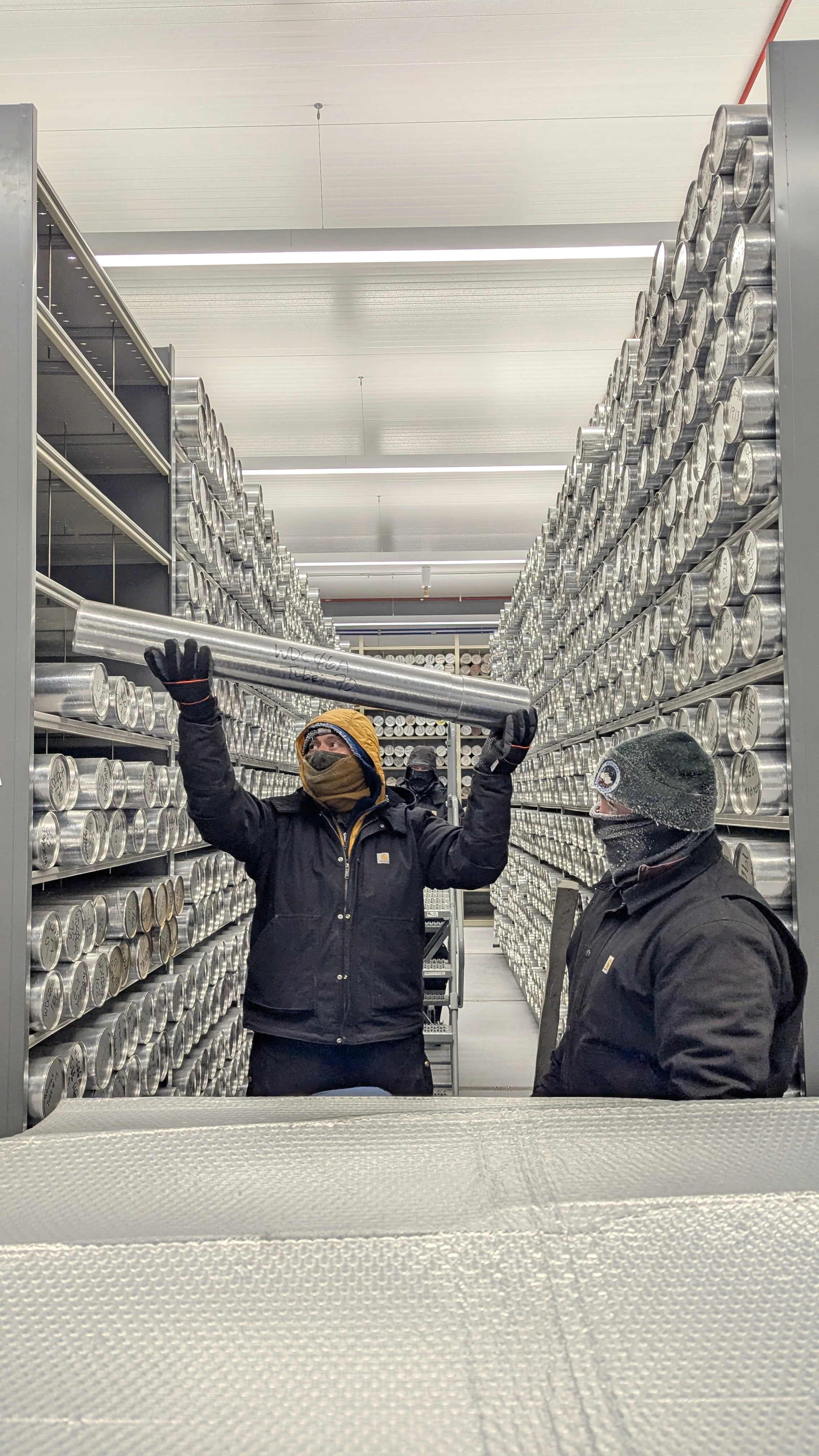
That's where Polar Field came in. For years, our teams have helped transport ice cores from some of the most remote locations on Earth - including research camps on the Greenland Ice Sheet - to laboratories and repositories across the United States. We've packaged them in the field, stored them in snow trenches, moved them across glaciers, flown them thousands of miles on military cargo aircraft, and delivered them to scientists working to understand Earth's climate history.
Moving them across a warehouse should have been easier. It wasn't. The challenge wasn't distance. It was precision.
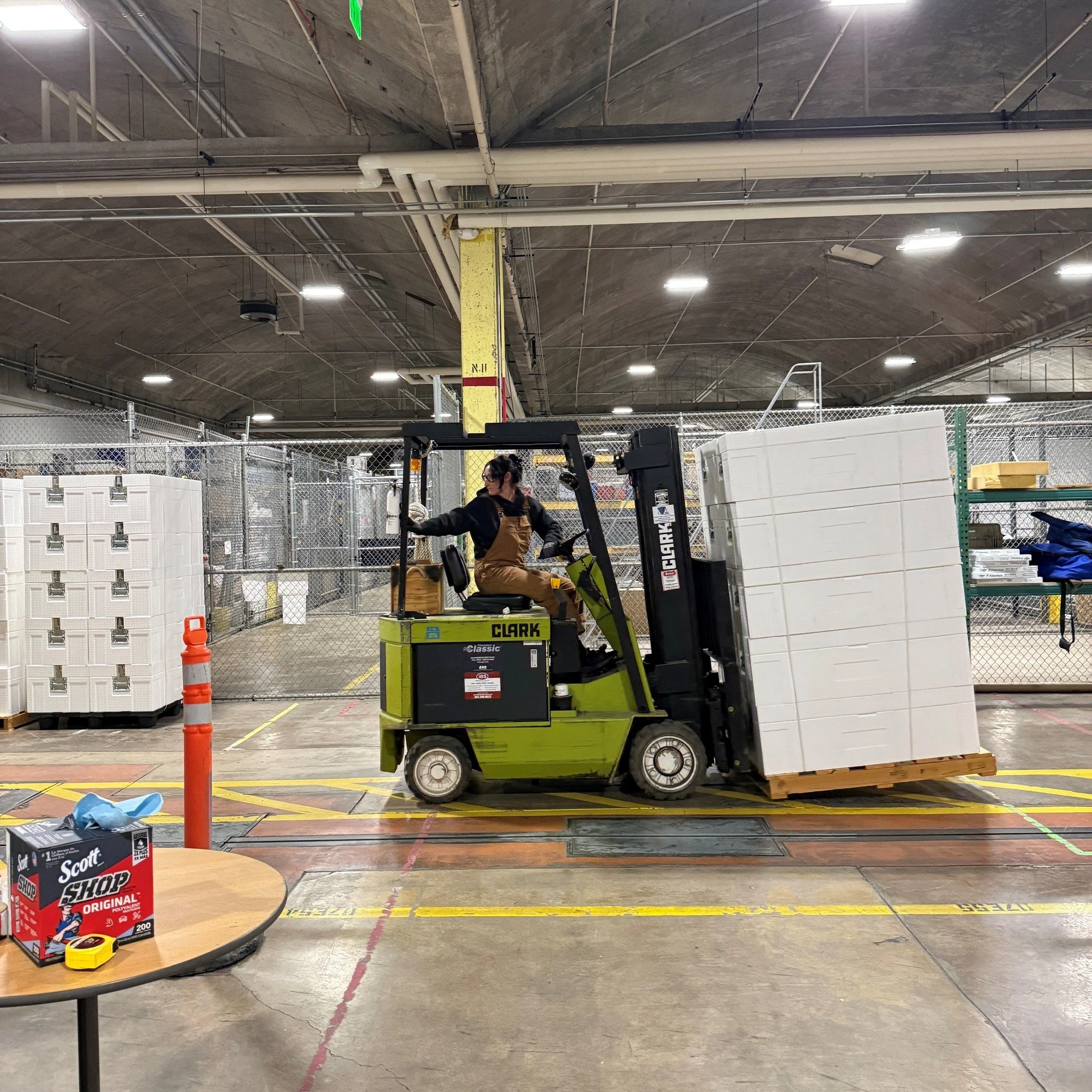
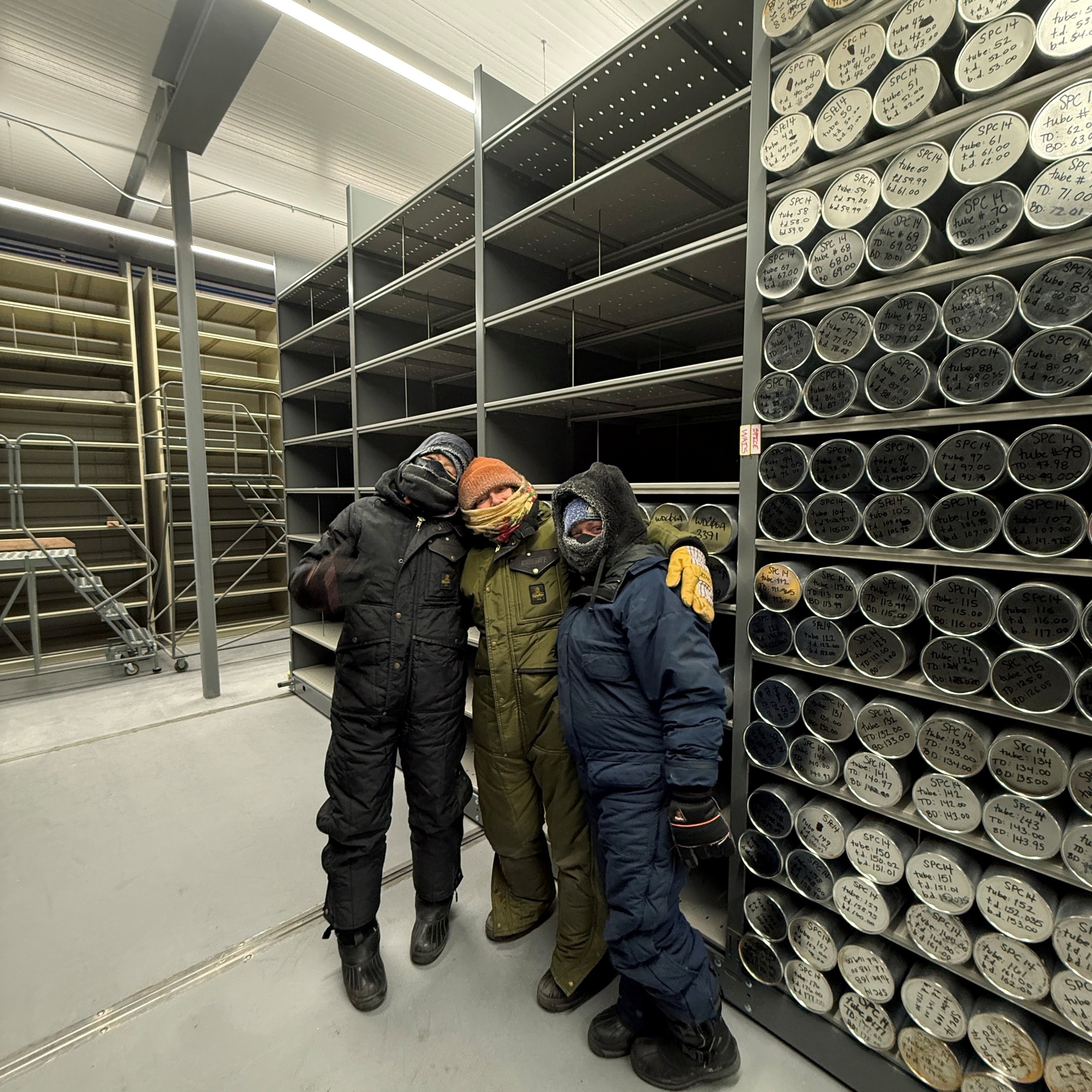
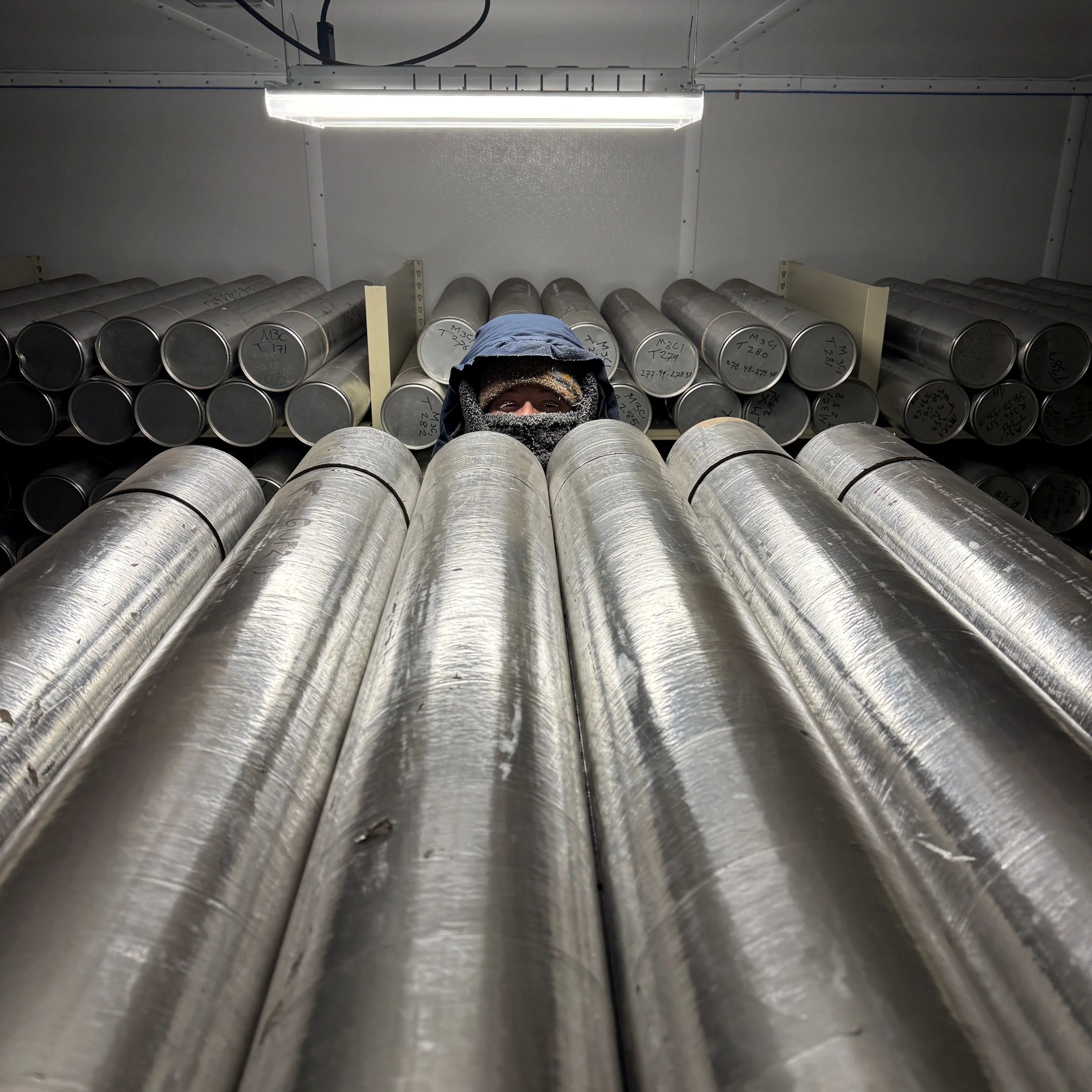
Think less "moving company" and more "cold-chain orchestra." For ten weeks, technicians worked inside freezers cold enough to freeze exposed skin in minutes, carefully relocating thousands of ice cores that collectively preserve Earth's climate story. Every shelf, crate, and aisle introduced a new wrinkle. Some cores were longer. Some containers were older. Space was always in short supply. Pulling it off required equal measures of logistics, creativity, and teamwork - along with a healthy respect for temperatures that never cared about the schedule.
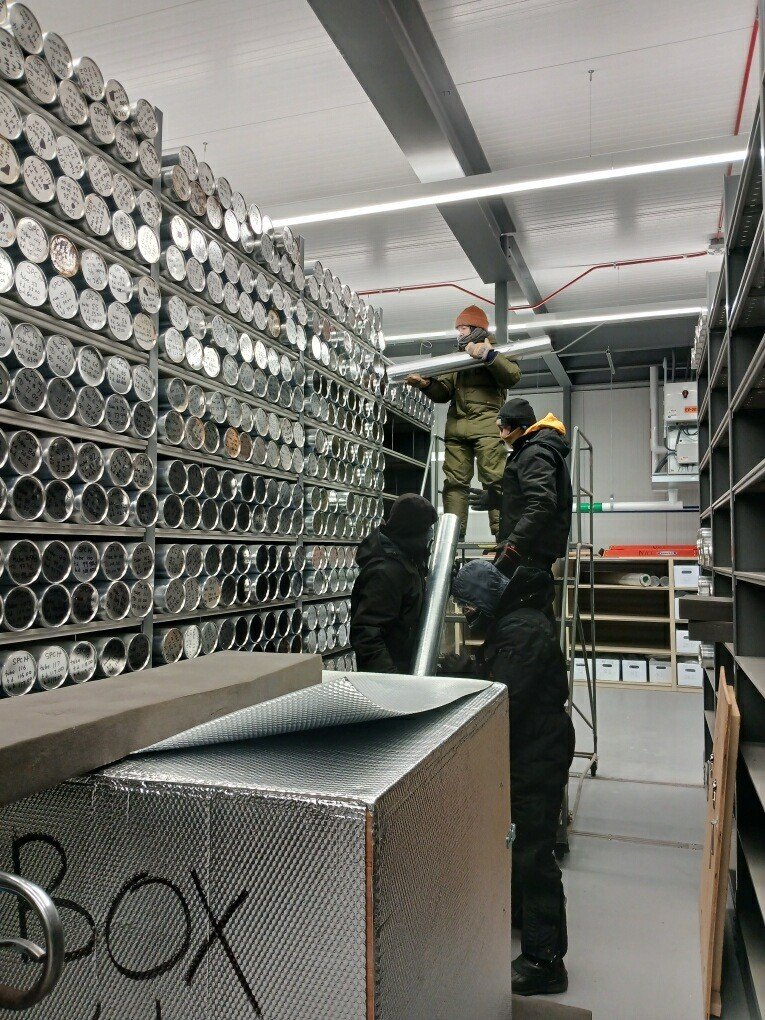
By project closeout, Earth's frozen archive had a new home - and not a single piece of climate history had been compromised getting there. The move was completed with zero damage, zero temperature excursions, and zero loss of scientific value. The team also left behind a facility that was better organized and better prepared for the decades of research still to come. One team. Three agencies. One successful outcome. Thank you to NSF, GSA, and USGS for collaborating with us to make it happen.
A library written in ice had changed addresses, but not a single story inside had been altered.